1. Quenvara, the Rootmother – Deity – Patron
And we’re back! If you don’t know why I’m posting on a Wednesday or providing nerdy Dungeon Crawl Classics content, check out either of the two links above. As I mentioned last time, the mighty Steve Grodzicki requested my next DCC treatment be Orthuun, the Blind Sovereign. When the awesome creator of Tales of Argosa speaks… let me tell you: the gods listen!
Demon-Gods Versus City-Gods
As I’ve mentioned previously, in the background of my Tales of Calvenor story is the cosmic struggle between what humanity call “demons,” roaming the wilds, and “gods,” who protect their cities. Both are immensely powerful immortal beings, and so I call them “demon-gods” and “city-gods” in my own worldbuilding documents. Think of them as titans versus Olympians in Greek mythology, which is the best analogy I can come up with from real-world lore.
The city-gods are pro-human, here to advance civilization and guardians of the cities that humans create. In DCC terms, they are the gods of Law. Each city has its own pantheon, and for the foreseeable future all the city-gods I’ll be outlining on Wednesdays are associated with my protagonists’ home of Oakton. Each pantheon of city-gods should, as a whole, represent different aspects of society that make humans’ cities vibrant and thriving. Quenvara the Rootmother, Oakton’s primary deity, is paradoxically a goddess of nature, because in Calvenor, cities can’t survive without a harmony with the natural world. We’ll meet other deities of things like music, sea trade, binding oaths, pleasure, medicine, and communication, because these things, too, are a part of human civilization.
Demon-gods, meanwhile, are here to tear down humans’ civilization. In DCC terms, they are the gods of Chaos. Demon-gods aren’t bounded by location, except that they thrive outside of civilization and roam the wilds between cities. As a worldbuilding note, I try and base each demon-god on a real, primary human fear. Orthuun the Blind Sovereign, for example, is a representation of humanity’s fear of the dark. There are also demon-gods of things like disease, fire, madness, and betrayal, because these are the things that tear human civilizations apart.
As long as I’m writing stories in Calvenor, there will be demon-gods raging against the walls of cities protected by city-gods. These immortal forces never manifest directly, but their minions, clerics, and manifestations essentially define the world in which my characters struggle to survive.
The Demon-God Orthuun, the Blind Sovereign
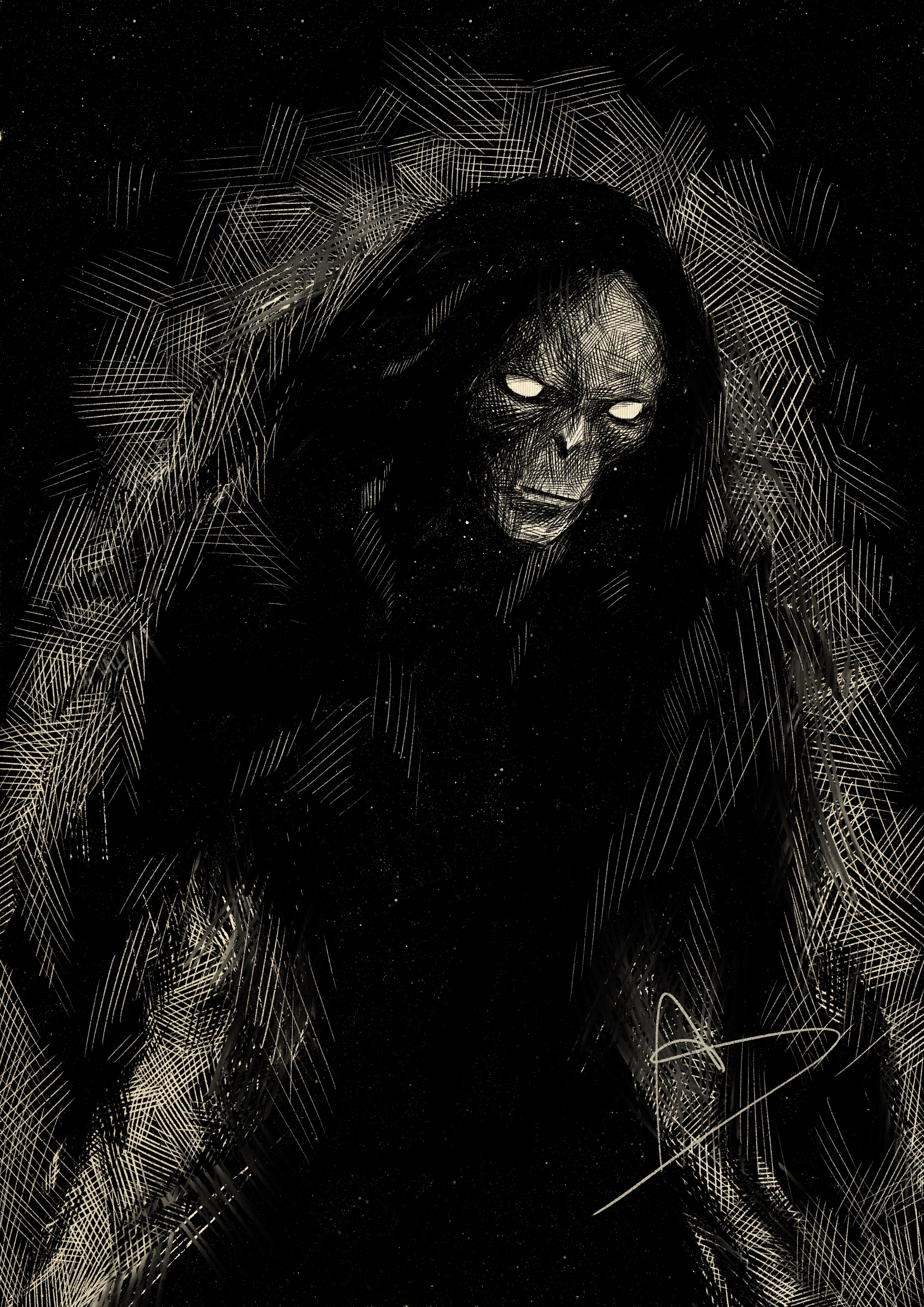
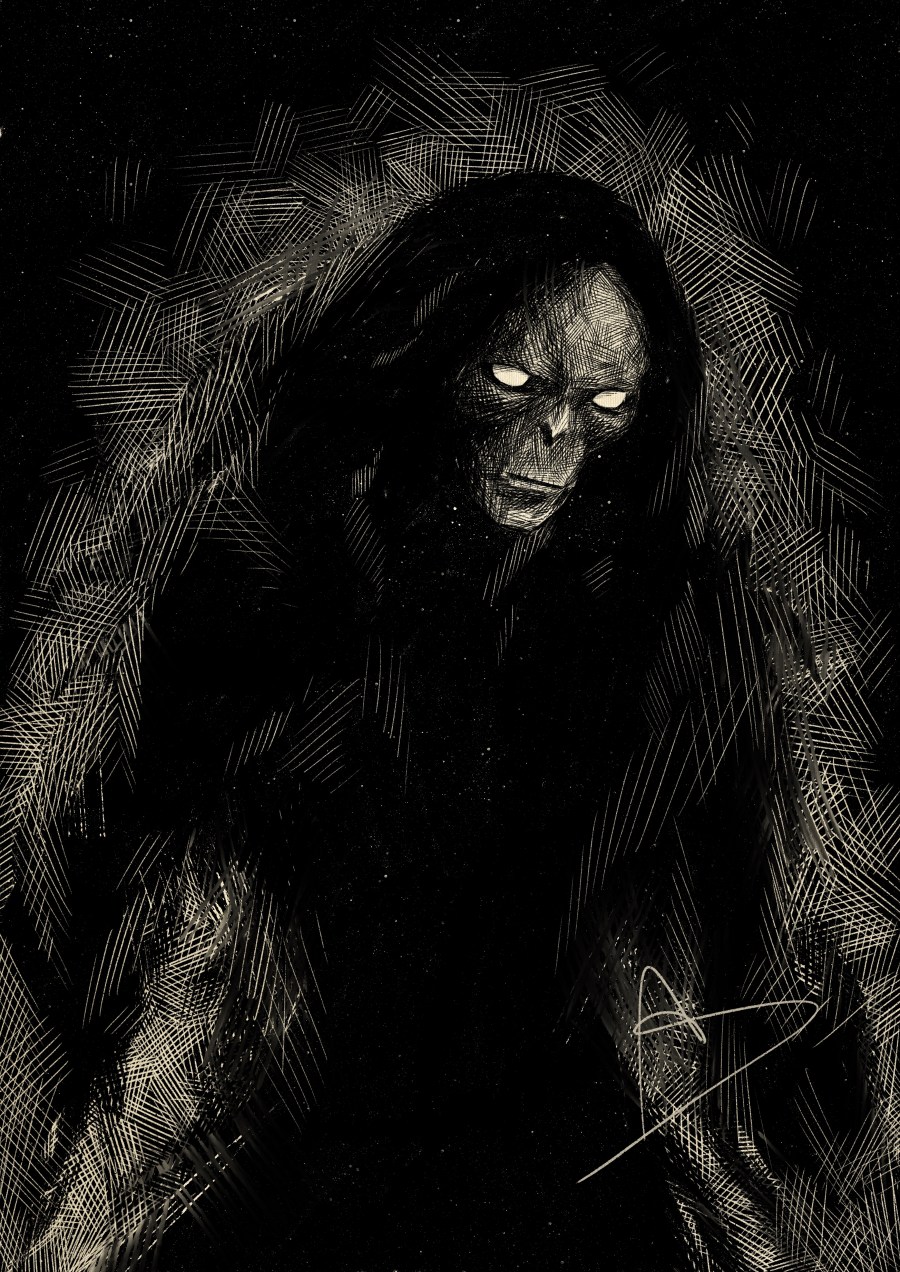
Writing Hadren Kelthorn helped me get in the mindset of what Orthuun would be like as a deity, and also who might follow a nihilistic demon-god of darkness and oblivion. Basically, Orthuun’s most devout followers are nihilists themselves, either because they’ve been beaten down by life or madness. They’re the “screw it, let’s just obliterate this world and start over” crowd. That said, Orthuun rewards his clerics with pretty sweet abilities!
I’m pleased with how the write-up came together, but I’m particularly happy with Orthuun’s holy quests. Set side-by-side with Quenvara’s, it’s easy to picture two characters being on opposite sides of the same mission, sent to destroy one another, or one hunting the other. As with so much of DCC, the story potential from these tables is dizzying.
Enjoy!
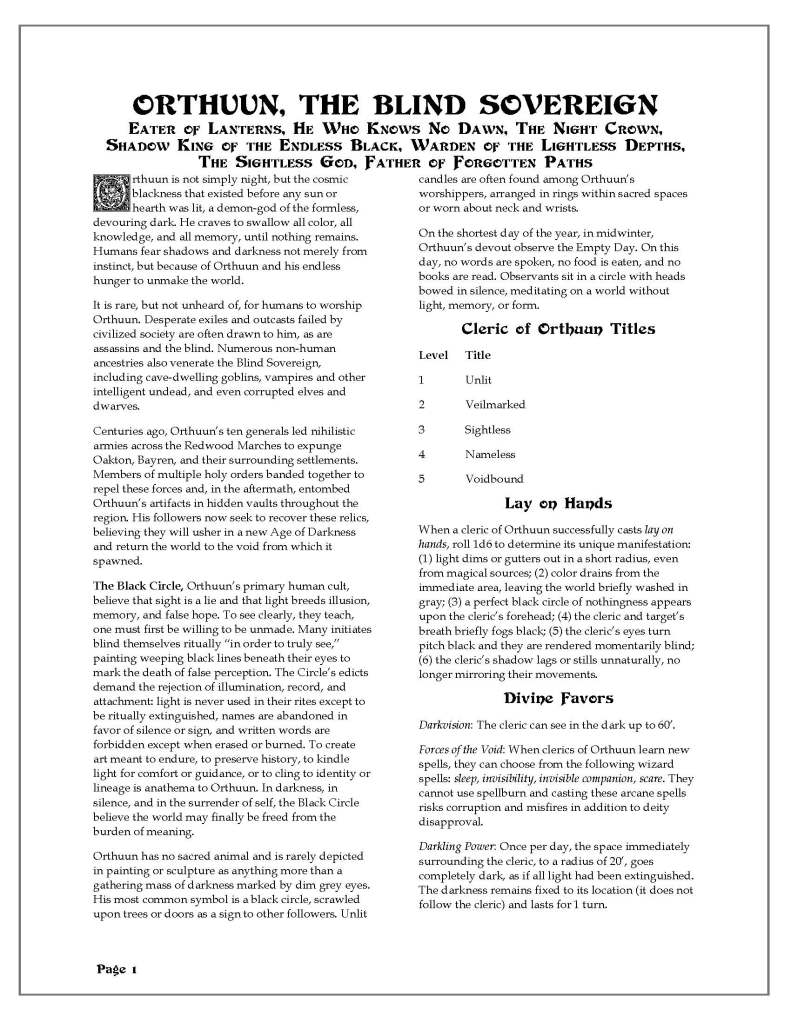
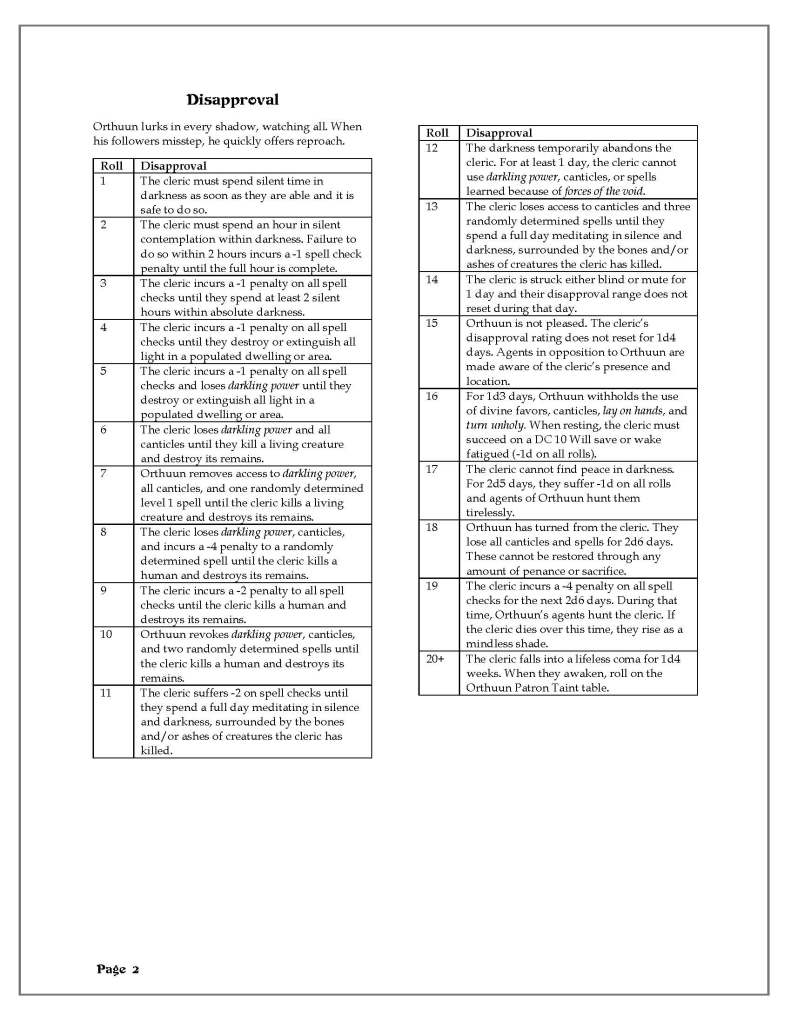
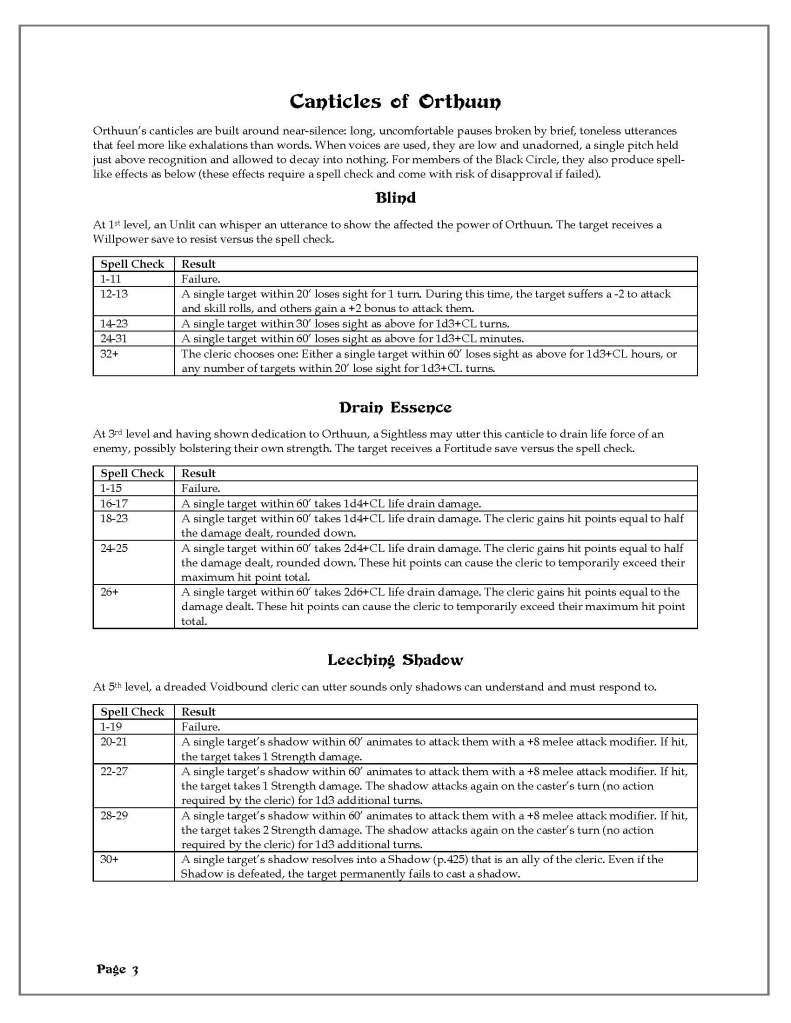
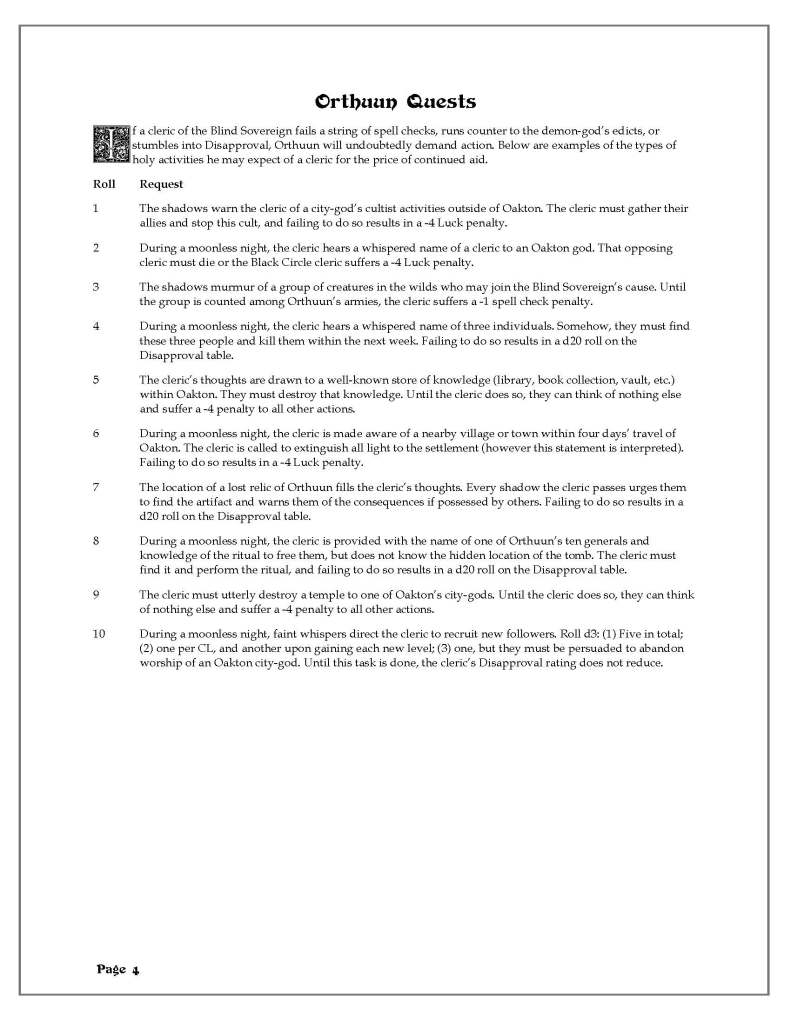
You can also view the full PDF of Orthuun here.
Please let me know what you think below or via email at jaycms@yahoo.com!
 My Hero Brain
Pingback: DCC Patron 02 – Orthuun, the Blind Sovereign – My Hero Brain
Pingback: DCC Deity 03 – Caldrien, the Herald – My Hero Brain
Pingback: DCC Patron 03 – Caldrien, the Herald – My Hero Brain